







การออกแบบห้องสะอาดที่ยั่งยืน ลดรอยตัวคาร์บอนอย่างมาก
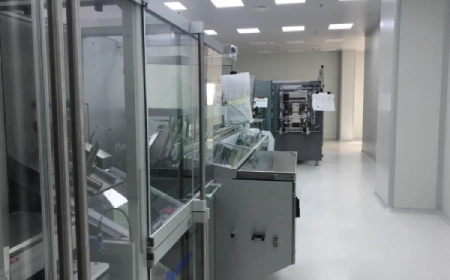
การออกแบบห้องสะอาดที่ทันสมัยได้รับการรับรอง LEED ในขณะที่รักษาการควบคุมมลพิษอย่างเข้มงวด ความเข้าใจเกี่ยวกับการกู้คืนพลังงาน และวัสดุที่เป็นมิตรกับสิ่งแวดล้อม
การออกแบบห้องสะอาดที่ยั่งยืน ลดรอยตัวคาร์บอนอย่างมาก
Sustainability has become a primary focus in cleanroom construction and operation as of 2026. Historically, cleanrooms were known for excessive energy consumption due to high air change rates and continuous HVAC operation. However, new design philosophies are proving that environmental responsibility and contamination control can coexist. This article examines how green cleanroom initiatives are reducing carbon footprints without compromising regulatory standards.
ระบบ HVAC ที่มีประสิทธิภาพด้านพลังงาน
Heating, Ventilation, and Air Conditioning (HVAC) systems account for the majority of a cleanroom's energy usage. Modern designs utilize variable air volume (VAV) controls that adjust airflow based on real-time occupancy and particle counts. During non-production hours, air change rates are safely reduced, leading to substantial energy savings. Additionally, high-efficiency particulate air (HEPA) filters with lower pressure drops are being installed to reduce fan power consumption.
Energy recovery systems are also gaining traction. Heat wheels and run-around coils capture thermal energy from exhaust air and use it to precondition incoming fresh air. This reduces the load on heating and cooling coils. In temperate climates, these systems can reduce HVAC energy consumption by up to 50%. Such innovations are critical for facilities aiming to achieve net-zero carbon status.
LEED Certification for Cleanrooms
Leadership in Energy and Environmental Design (LEED) certification is increasingly sought after for cleanroom projects. Achieving LEED status requires careful selection of materials, optimization of water usage, and implementation of renewable energy sources. Solar panels installed on cleanroom rooftops can offset a significant portion of energy demand. Furthermore, using locally sourced construction materials reduces transportation emissions.
- VAV systems reduce energy usage during idle periods.
- LED lighting with motion sensors cuts electricity costs.
- Recyclable construction materials minimize waste.
Eco-Friendly Materials and Finishes
The materials used in cleanroom construction are also evolving. Wall panels and flooring made from recycled content are now available without sacrificing cleanability or durability. Low-volatile organic compound (VOC) paints and adhesives improve indoor air quality and reduce environmental impact. These materials contribute to a healthier workspace for employees and align with corporate sustainability goals.
Water Conservation Strategies
Water usage in cleanrooms, particularly for humidification and process cooling, is being optimized. Closed-loop cooling systems minimize water waste. Rainwater harvesting systems are being integrated into facility designs to supply non-process water needs. These strategies are essential in regions facing water scarcity. Efficient water management is now a key metric in cleanroom performance evaluations.
แนวโน้มในอนาคต
มองไปข้างหน้า แนวคิดของ 'Living Cleanroom' กําลังเกิดขึ้น สิ่งอำนวยความสะดวกเหล่านี้จะสร้างพลังงานของตัวเอง และบำบัดขยะของตัวเอง ระบบการจัดการอาคารที่ก้าวหน้าจะใช้การเรียนรู้เครื่องเพื่อปรับปรุงการใช้พลังงานอย่างต่อเนื่อง เมื่อความกดดันจากกฎหมายเพิ่มขึ้นและความรับผิดชอบทางสังคมของบริษัทกลายเป็นสิ่งสําคัญสูงสุด การออกแบบห้องสะอาดที่ยั่งยืนจะเปลี่ยนจากความช องค์กรที่ให้ความสําคัญกับความยั่งยืน จะไม่เพียงลดค่าใช้จ่าย แต่ยังเพิ่มชื่อเสียงของแบรนด์ของพวกเขาในตลาดที่มีสติ